Locations






GUEST SUBMISSION: Purpose-built rental housing has become a dominant form of new housing in Southwestern Ontario, especially in London. The next phase will reward developers who understand local demand, not those who simply add more doors.
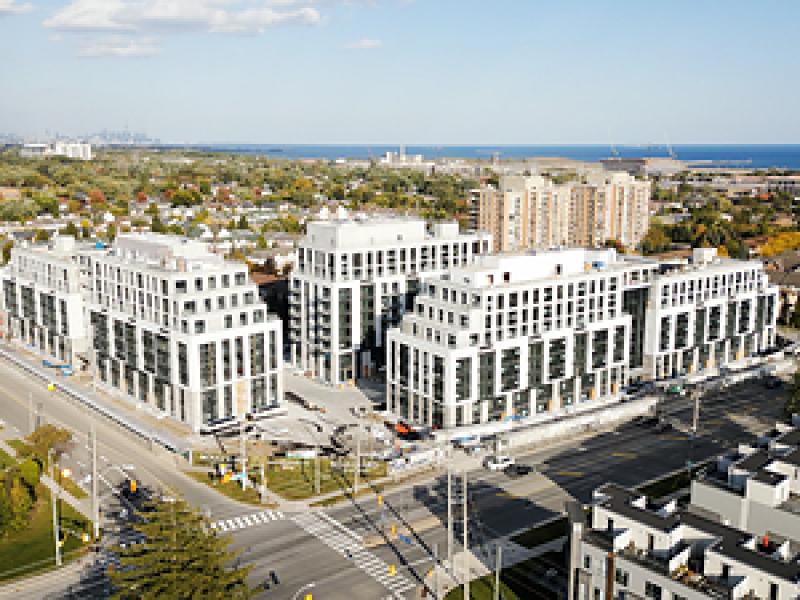
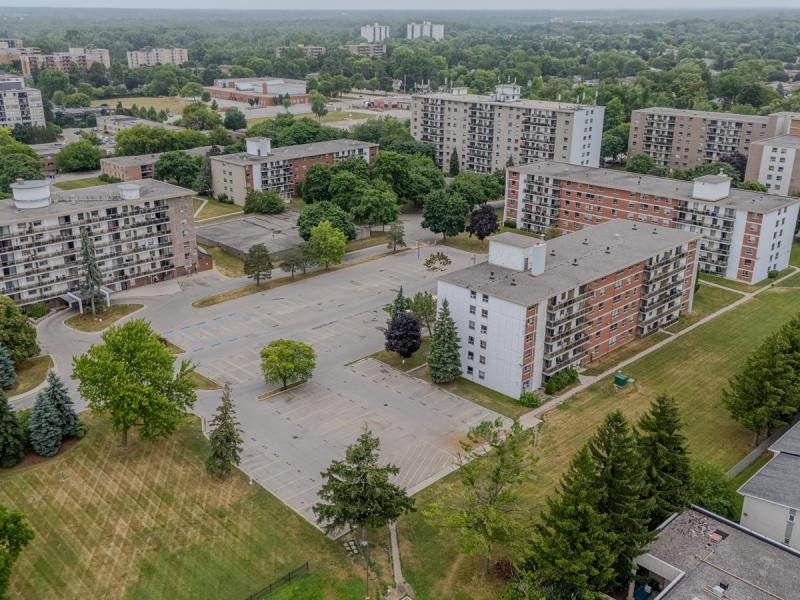
In 2026, London has become one of Southwestern Ontario’s most important multifamily laboratories, with the London area recording one of its strongest starts for new residential construction in the past decade, according to the latest data from CMHC. This momentum has been driven heavily by apartment and multifamily development, marking a clear shift from the single-family-dominated patterns that historically dominated the region.
This boom has been shaped by many factors: regional population growth, student demand from Western University and Fanshawe College, the rising cost of home ownership, and the need for more diverse rental options across Southwestern Ontario.
We are also seeing this rapid growth period start to stabilize, with vacancy rates approaching 4-5 per cent, up from 1-2 per cent just 24 months ago, as landlords offer leasing incentives to help absorb new inventory.
As we look toward the next cycle, the question is not whether London needs more rental housing. It does. The more important question is what kind of rental housing will perform best as the city moves from scarcity to selectivity.
The opportunity may be smaller, lower and more local
London is not the only city in Southwestern Ontario experiencing a housing construction boom. Housing starts are up 106 per cent in the Kitchener-Cambridge-Waterloo region, 67 per cent in Guelph and 45 per cent in Windsor.
This broader market shift is creating opportunities for builders and operators across the region to distinguish themselves by serving a more varied range of households: students and young professionals, downsizing seniors, families priced out of ownership and residents in smaller communities that have long had little modern rental stock.
Some of the most interesting opportunities I am seeing are smaller wood-frame rental projects in communities of 10,000 to 20,000 people, as well as stacked townhouse communities aimed at households that want more space outside the downtown core.
I have also seen growing interest in so-called “granny condos” in smaller, tertiary markets: single-floor, accessible rental units with practical features such as pull-in garages, wider doorframes and secure layouts, geared toward seniors.
These projects are not as glamorous as the new wave of purpose-built rental buildings we have seen sprout up in more urban locations, but they respond to a very real demographic shift and are filling up well, sometimes renting above London and Kitchener rates.
Missing middle and stacked townhome product
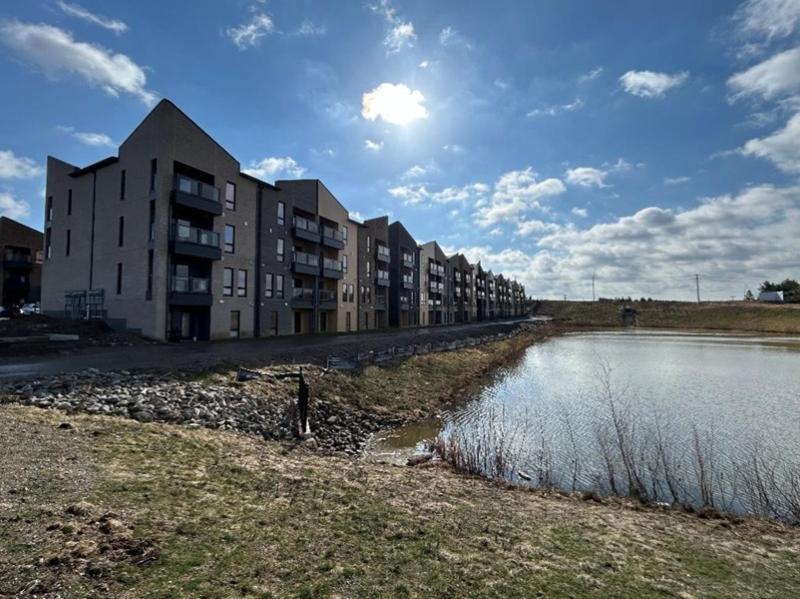
Along those same lines, stacked townhomes are gaining popularity in secondary markets as a medium-density rental option. These projects can provide three- and four-bedroom homes in suburban locations near schools, offering a more spacious alternative to the typical one-bedroom-heavy apartment building.
The target market is often families priced out of ownership, or households choosing rental as a long-term lifestyle. From a developer’s perspective, this product also reduces risk. A 50- to 100-unit stacked townhouse project can often be built and leased on a different timeline than a 20-storey tower, which requires years of construction and a longer lease-up period.
Activa’s Trussler West community in Kitchener is a great example.
First National provided construction and takeout financing for this family-oriented stacked-townhome rental community. Now completed, and fully leased, this purpose-built rental is a strong example of a single-family builder adapting to mid-density rental as the condo and single-family markets softened.
More importantly, it demonstrates that new purpose-built rental can take different forms and serve different demographics.
London’s advantage is land cost, next cycle will reward precision
London can retain a meaningful cost advantage over larger Ontario markets, but that advantage is site-specific and should not be treated as automatic.
The numbers vary widely by site, zoning, servicing, density and timing, so the more important lesson is discipline: the land basis has to leave room for realistic rents, realistic absorption and realistic financing costs. Understanding school districts, transit realities and neighbourhood reputations can make the difference between a site that looks good on a map and one that will actually lease.
If the last cycle was about proving that purpose-built rental could be built in London again at meaningful scale, the next cycle will be about proving it can be built for the right households, in the right locations and with the right capital structure.
That is a more demanding test, but it should produce a healthier and more resilient rental market.
London does not need indiscriminate rental supply. It needs rental housing that is matched to what local households are demanding.


 Industry Events
 Locations